Sheet 1
- Stress and anxiety
- Addictions support
- Relationship issues
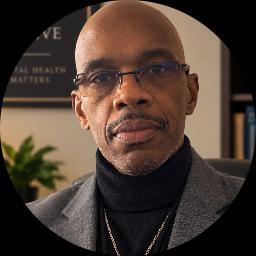
About Patrick
Patrick Scott is an LPC (Licensed Professional Counselor) licensed in Connecticut with 20 years of professional experience. He helps people who are dealing with stress, anxiety, addictions, relationship problems, depression, and major life changes.
He supports work on codependency, communication problems, drug and alcohol addiction, infidelity, men's issues, and midlife crisis. Sessions focus on practical steps people can use between meetings. Conversations are straightforward and aim to clarify problems and next actions.
His approach is collaborative. He listens to what a person wants to change and then helps plan realistic goals. Patrick uses evidence-based therapeutic techniques to address patterns of thinking and behavior that maintain distress.
In sessions he helps people name what's happening, test new ways of responding, and track small changes over time. He keeps language direct and avoids jargon so people can use what they learn right away.
Patrick has two decades of work across clinical settings and community services in Connecticut. That experience informs how he helps with addiction and relationship concerns in practical ways. People who meet with him can expect steady, goal-focused conversations that lead to manageable next steps.
Sheet 2
How his approaches translate to online work
Evidence-based therapeutic techniques focus on changing unhelpful thoughts and behaviors. One common approach uses structured conversations to identify negative thinking patterns and test alternative responses. This method helps with anxiety, depression, and relationship worries by teaching practical skills to use day to day.A second approach centers on behavioral change for addictions and coping with life changes. It breaks problems into small, manageable steps and tracks progress. This helps people reduce harmful habits and build routines that support recovery and stability.
Choosing the right method is part of the work. The therapist will collaborate with each person to decide which techniques fit their goals and preferences, and will adjust the plan as progress is made.
The biography does not list which session formats are offered. Confirm available session formats before booking so you know whether sessions are by video, phone, or another method. Online work can make it easier to fit therapy into a busy schedule, allow shorter check-ins when needed, and remove travel time, helping sessions happen around work or family commitments.
Sheet 3
Areas of expertise
Primary focus
Additional focus areas
Experience
20+ years
Listed in
Connecticut
Languages
English
Sheet 4
Frequently asked questions
What concerns does he support?
He works with stress, anxiety, addictions, relationship problems, depression, and coping with life changes. Additional focuses include codependency, communication problems, infidelity, men's issues, and midlife crisis.
What is his therapeutic style?
He uses direct, collaborative conversations and evidence-based techniques to identify patterns and set practical goals. Sessions emphasize clear steps people can try between meetings.
How much experience does he have?
He has 20 years of professional work experience in clinical and community settings. That background shapes his work with addiction and relationship concerns.
What credential does he hold and where is he based?
He is an LPC, Licensed Professional Counselor, licensed in Connecticut. His practice is listed as Connecticut based.
Which languages are supported?
Sessions are offered in English. International clients are accepted.
What session formats are available?
The biography does not specify session formats. Confirm current session options with the provider before booking.
How is cost handled?
Cost varies with location and sessions use a subscription that can be canceled at any time. Specific pricing depends on the chosen subscription and location.
How do I begin working with him?
Start by selecting the See online therapy options button, completing a short matching questionnaire, and scheduling a first session. That process sets up the initial appointment.
Online talk therapy is not emergency care. If you are in danger, use the urgent help numbers.