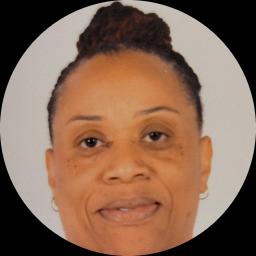
Sheet 1
- Relationships
- Trauma and abuse
- Grief and loss
About Mercides
LCPC (Maryland) Mercides Palmer has three years of professional experience working with people who face relationship problems, trauma and abuse, grief, low self-esteem, and ADHD-related concerns. She practises a mix of attachment-based, client-centered, cognitive behavioral, dialectical behavior, and existential approaches to help people untangle specific struggles and make practical changes. Mercides writes plainly about the effort it takes to start therapy and acknowledges that taking the first step is difficult.
Her style centers on straightforward conversation and collaborative planning. Sessions focus on what matters most now - patterns in relationships, responses to past harm, and skills to manage mood or attention. She offers space to talk through painful events and to test new ways of behaving that can reduce distress day to day.
Mercides uses tools from cognitive behavioral therapy to identify unhelpful thoughts and from dialectical behavior therapy to teach emotion regulation and distress-tolerance skills. Attachment-based ideas guide conversations about relationship patterns and how early bonds shape current interactions. Existential elements help people name values and decide what matters to them now.
Practical concerns are part of the work. People look at small experiments between sessions, communication strategies, and ways to improve focus and self-worth. The emphasis is on steps that can be practiced in daily life rather than abstract theory.
Mercides practices in Maryland and conducts sessions in English. She works with adults addressing young adult issues, workplace stress, mood concerns, self-harm thoughts, and questions about life purpose. To begin, she asks new clients to complete a short matching questionnaire and schedule a first session.
Sheet 2
How her approaches translate to online work
Attachment-Based Therapy looks at how early relationship patterns affect current connections and helps people change interaction habits that cause pain. Client-Centered Therapy focuses on listening and reflecting so clients can find their own solutions and clarify what matters to them. Cognitive Behavioral Therapy breaks problems into thoughts, feelings, and actions, and uses practical exercises to change unhelpful thinking and behaviors.Choosing the right approach is part of the process. Mercides will work collaboratively to identify which methods match a client's needs, goals, and preferences. Expect a conversation about what feels most useful and checks along the way to adjust methods if needed.
The original biography does not specify which session formats are used for distance work, so confirm current options before booking. Online sessions can make it easier to fit therapy into a busy week, allow shorter check-ins when time is limited, and remove travel time so people can use breaks at work or school for appointments. Licensed professionals can adapt the same practical exercises and skills practice used in person to remote sessions, helping clients try experiments between meetings and build new habits over time.
Sheet 3
Areas of expertise
Primary focus
Additional focus areas
Therapeutic approaches
Experience
3+ years
Listed in
Maryland
Languages
English
Sheet 4
Frequently asked questions
What concerns does she focus on?
She focuses on relationship issues, trauma and abuse, grief, self-esteem, and ADHD-related concerns, with additional attention to mood disorders, self-harm, life purpose, and workplace issues.
What is her therapeutic style?
She uses a collaborative, conversational style that combines attachment-based, client-centered, cognitive behavioral, dialectical behavior, and existential approaches to address practical problems.
How much experience does she have?
She has three years of professional experience as a licensed counselor in Maryland.
What are her credentials and location?
She is an LCPC licensed in Maryland and practices there.
Which languages are supported?
Sessions are offered in English and she is not accepting international clients.
What session formats are offered?
The original biography does not list specific session formats; please confirm current session options before booking.
How are session costs handled?
Cost varies with location and sessions use a subscription that can be canceled at any time.
How do I get started?
Select the See online therapy options button, complete a short matching questionnaire, and schedule a first session.
Online talk therapy is not emergency care. If you are in danger, use the urgent help numbers.