Sheet 1
- Stress and anxiety
- Family and relationships
- Psychoeducation based
About Marsha
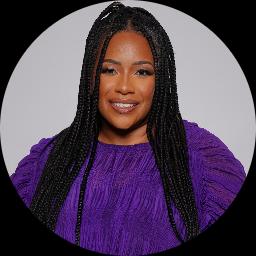
Florida LMHC Marsha Pierre has 10 years of clinical experience working with adults on stress, anxiety, relationships, family concerns, trauma and abuse, and self-esteem. She practices as a clinician who describes her style as direct, structured, and educational and uses psychoeducation to guide sessions.
Marsha frames therapy like a teaching process. She gives practical tools and information that clients can use between sessions. She focuses on helping people notice habitual reactions, manage strong emotions, and set clearer boundaries.
She works with issues that often come up after relationship strain and losses. That includes separation and divorce, attachment and abandonment concerns, communication problems, and the effects of narcissistic abuse. She also addresses panic attacks, post-traumatic stress, social anxiety, isolation, guilt, and struggles with life purpose and self-love.
Her clinical work draws on a Bowen Family Systems perspective alongside clear, evidence-based techniques. Examples noted include cognitive behavioral methods and dialectical behavior approaches aimed at changing thinking patterns and building emotion-regulation skills. She also references trauma-focused work and couple-oriented interventions for relationship repair.
Marsha offers sessions in English from Florida as a Florida LMHC. International clients are not accepted. The practice uses a subscription model for sessions that can be canceled at any time. To begin, prospective clients select the See online therapy options button, complete a short matching questionnaire, and schedule a first session.
Sheet 2
How her approaches translate to online work
Marsha names evidence-based therapeutic techniques and a Bowen Family Systems lens as the basis for her work. Cognitive behavioral methods are about noticing and changing unhelpful thoughts and behaviors; they help with anxiety, panic, and many everyday stressors. Dialectical behavior approaches teach concrete skills for regulating intense emotions, improving distress tolerance, and strengthening interpersonal effectiveness for relationship problems.Finding the right approach is part of the process. She will work collaboratively with the client to choose which techniques fit the person’s goals, preferences, and the issues they bring. That means trying methods, adjusting them, and teaching skills the client can use between sessions.
The practice description does not specify which session formats are offered. Confirm current session options before booking so you know how meetings are scheduled. Online work can make it easier to fit sessions into a busy week, allow shorter check-ins when needed, and remove travel time so more focus goes to the therapeutic work.
Sheet 3
Areas of expertise
Primary focus
Additional focus areas
Experience
10+ years
Listed in
Florida
Languages
English
Sheet 4
Frequently asked questions
What concerns does she address?
She works with stress, anxiety, relationship and family difficulties, trauma and abuse, and self-esteem issues. Additional focuses include attachment, abandonment, panic, and social anxiety.
What is her therapeutic style?
She uses a direct, structured, and educational approach. Sessions emphasize teaching skills, identifying patterns, and practicing strategies between meetings.
How much clinical experience does she have?
She has 10 years of experience in clinical work. That background informs her use of practical tools and psychoeducation in sessions.
What are her credentials and where is she located?
She is a Florida LMHC and provides services from Florida. No other credentials or locations should be assumed.
Which languages are offered during sessions?
Sessions are offered in English.
Can people outside the United States work with her?
International clients are not currently accepted.
How are sessions paid for?
Sessions use a subscription that can be canceled at any time. Exact cost varies with location.
How do I start a first session?
Begin by selecting the See online therapy options button, completing a short matching questionnaire, and scheduling a first session.
Online talk therapy is not emergency care. If you are in danger, use the urgent help numbers.