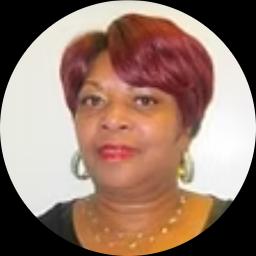
Sheet 1
- Stress and anxiety
- Trauma and grief
- Parenting support
About Loretta
Loretta Young-Wright is a Licensed Clinical Social Worker (LCSW) in Illinois with 35 years of experience. She focuses on stress, anxiety, trauma and abuse, grief, parenting concerns, and self-esteem. She works with people who need practical coping skills and clearer ways to manage emotional strain.
Young-Wright has provided mental health services in settings such as child welfare and schools. That background shaped a flexible approach she adapts to each person's situation. She uses evidence-based techniques rather than relying on a single method.
Her style is collaborative and strengths-based, with attention to trauma-informed care. Sessions aim to be interactive, with both short-term problem solving and skill-building. Practical tools are emphasized so people can use them between meetings.
She commonly draws from Cognitive Behavioral Therapy, mindfulness-based strategies, and solution-focused work to address symptoms and day-to-day challenges. These approaches are used to reduce distress, improve routines, and change unhelpful thinking patterns.
Young-Wright also pays attention to cultural factors and to how individual history shapes current problems. She prioritizes clear communication and professional standards in all aspects of care. To begin, people complete a short matching questionnaire and then schedule an initial session through the site's booking flow.
Sheet 2
How therapeutic approaches are used in remote sessions
Loretta Young-Wright uses evidence-based techniques such as Cognitive Behavioral Therapy and mindfulness-based strategies. Cognitive Behavioral Therapy helps identify and change unhelpful thought patterns and behaviors, which is useful for anxiety and low mood. Mindfulness-based strategies teach attention and breathing skills to reduce stress and improve emotion regulation.She also uses solution-focused methods that concentrate on immediate goals and practical steps. Those techniques are helpful when someone wants shorter-term changes or clearer plans for handling problems. Deciding which combination to use is collaborative; the therapist will work with each person to match methods to their needs and goals.
Practical benefits of doing therapy remotely include fitting sessions into a busy schedule and reducing travel time. Online work can make it easier to keep regular appointments around school, work, or caregiving obligations. The biography does not list specific session formats, so confirm available options before booking. Sessions are arranged to fit everyday life and the therapist will discuss the most useful format during the initial scheduling.
Sheet 3
Areas of expertise
Primary focus
Experience
35+ years
Listed in
Illinois
Languages
English
Sheet 4
Frequently asked questions
What concerns does she address?
She addresses stress, anxiety, trauma and abuse, grief, parenting concerns, and self-esteem. These areas are listed as her main specialties.
What is her therapeutic approach and style?
Her approach is collaborative, strengths-based, and trauma-informed. She focuses on practical coping skills and problem-solving during sessions.
How much clinical experience does she have?
She has 35 years of experience working in mental health settings, including child welfare and educational environments.
What credential and location apply to her practice?
She is a Licensed Clinical Social Worker (LCSW) licensed in Illinois. Her practice is based in that state.
Which languages are supported?
Sessions are offered in English. International clients are not currently accepted.
What session formats are available?
Session formats are not specified in the biography. Please confirm the current session options before booking.
How are fees handled?
Cost varies with location and sessions use a subscription model that can be canceled at any time. Specific rates depend on the chosen service details.
How do I begin working with her?
To start, select the See online therapy options button, complete a short matching questionnaire, and schedule a first session through the booking system.
Online talk therapy is not emergency care. If you are in danger, use the urgent help numbers.