Sheet 1
- DBT skills
- Mindfulness
- Motivational interviewing
About Jon
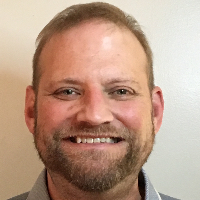
LMSW Jon Weber is a licensed master social worker in Michigan with nine years of clinical experience. He focuses on stress, anxiety, self-esteem, depression, relationship and family concerns, trauma and abuse, grief, bipolar disorder, and ADHD. He uses Dialectical Behavior Therapy, Mindfulness Therapy, Motivational Interviewing, and Solution-Focused Therapy in his work.
Jon works in straightforward, person-centered ways. He draws on DBT skills and mindfulness exercises to help people manage intense emotions and reduce anxiety. Motivational Interviewing is used to clarify goals and strengthen motivation for change. Solution-Focused techniques keep sessions practical and goal-oriented.
His background includes work at a residential inpatient treatment center and in private practice. That experience involved helping people with substance use challenges, post-traumatic stress, major depression, panic, and attention difficulties. He has worked with a diverse range of people and brings that clinical experience into session planning.
In therapy he collaborates with clients to set clear goals and build coping skills. Sessions often include skill practice, short problem-solving steps, and mindfulness exercises. The emphasis is on tools people can use between sessions to manage symptoms and day-to-day stress.
Jon speaks English and practices in Michigan. Costs vary by location and sessions use a subscription that can be canceled at any time. To begin, a person selects the See online therapy options button, completes a short matching questionnaire, and schedules a first session.
Sheet 2
Using DBT and Mindfulness in remote sessions
Dialectical Behavior Therapy teaches concrete skills for managing intense emotions and improving interpersonal effectiveness. In practice this looks like learning breathing and grounding skills, emotion regulation steps, and role-play for communication when feelings run high. Mindfulness Therapy focuses on present-moment awareness and simple attention practices to reduce rumination and ease anxiety symptoms.Choosing an approach is a collaborative process. The therapist will talk with the person about goals, symptoms, and what feels most useful. Together they decide which techniques to prioritize and adjust the plan as needed over time.
Session formats are not specified in the biography, so confirm current session options before booking. Online work can make it easier to fit appointments into a busy week, allow shorter check-ins when needed, and support practicing skills between sessions. Therapists can use call-based or video-based work to review skill practice, coach through coping steps, and set small solution-focused tasks to try between visits.
Sheet 3
Areas of expertise
Primary focus
Also works with
Therapeutic approaches
Experience
9+ years
Listed in
Michigan
Languages
English
Sheet 4
Frequently asked questions
What kinds of concerns does he address?
He works with stress, anxiety, low self-esteem, depression, relationship and family concerns, trauma and abuse, grief, bipolar disorder, and ADHD.
What is his therapeutic style?
He uses a person-centered, trauma-informed style and applies DBT, Mindfulness Therapy, Motivational Interviewing, and Solution-Focused Therapy to set practical goals.
How much clinical experience does he have?
He has nine years of clinical experience, including work in a residential inpatient treatment center and private practice.
What credential does he hold and where does he practice?
He is an LMSW, which stands for Licensed Master Social Worker, and he practices in Michigan.
Which languages are supported in sessions?
Sessions are offered in English.
Can people from other countries work with him?
He does not accept international clients at this time.
How are sessions billed and what do they cost?
Cost varies with location and sessions use a subscription model that can be canceled at any time.
How do I begin working with him?
Start by selecting the See online therapy options button, complete the short matching questionnaire, and schedule your first session.
Online talk therapy is not emergency care. If you are in danger, use the urgent help numbers.