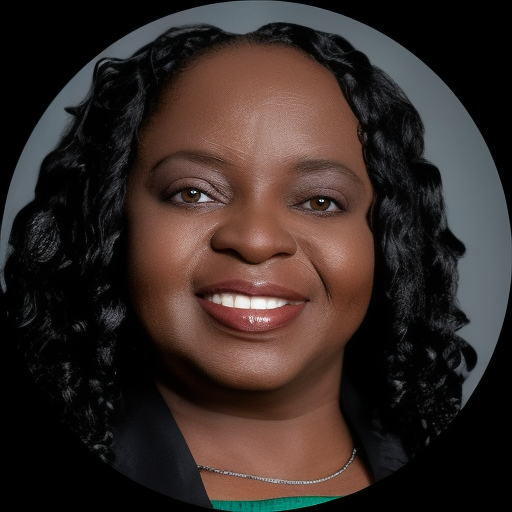
Sheet 1
- ACT and CBT
- DBT skills
- Mindfulness work
About Jacqueline
Licensed Mental Health Counselor (LMHC) practicing in Florida with 10 years of experience, Jacqueline Mcintosh focuses on stress, anxiety, addictions, trauma and abuse, anger, and depression. She uses Acceptance and Commitment Therapy, Cognitive Behavioral Therapy, Dialectical Behavior Therapy, Client-Centered Therapy, and Mindfulness Therapy in her sessions. Jacqueline emphasizes helping people develop skills for coping and clearer thinking.
Jacqueline helps people who struggle with codependency and communication problems. She also supports those dealing with drug and alcohol addiction and post-traumatic stress. Social anxiety, low self-regard, and women’s issues are additional areas she addresses.
Her work uses concrete techniques from CBT and DBT to change unhelpful thinking and behavior patterns. Mindfulness and ACT are used to build awareness and accept difficult feelings without getting stuck. The client-centered element means sessions focus on the person's own priorities and pace.
Jacqueline structures sessions to teach skills, practice new responses, and review progress. She often introduces short exercises and homework to help apply what was learned between meetings. Sessions balance talking through problems and learning practical tools.
Clients should expect straightforward collaboration on goals and steps to reach them. Because approaches are combined, she selects methods that fit each person's situation and preferences. Prospective clients who need to confirm current session formats should check before booking.
Sheet 2
How Jacqueline applies common approaches in online work
Acceptance and Commitment Therapy (ACT) helps people notice thoughts and feelings without getting controlled by them, then commit to actions that match their values; it can be useful for anxiety and low motivation. Cognitive Behavioral Therapy (CBT) focuses on identifying and changing unhelpful thought patterns and behaviors, which is often used for depression, anxiety, and some addiction-related problems. Dialectical Behavior Therapy (DBT) teaches practical skills for emotion regulation, distress tolerance, and interpersonal effectiveness; it can help with anger, intense emotions, and self-destructive behaviors.Finding the right approach is part of the process and is decided together. Jacqueline will discuss the options, try techniques, and adjust methods based on the client's needs, goals, and preferences. The work is collaborative and goal-focused.
Session formats are not specified in the biography, so confirm current options before booking. Online sessions can make it easier to fit therapy into a busy schedule, shorten travel time, and allow practice of skills in everyday settings. They can also allow sessions that are brief check-ins or full therapy meetings depending on what the client and therapist agree will help most.
Sheet 3
Areas of expertise
Primary focus
Additional focus areas
Therapeutic approaches
Experience
10+ years
Listed in
Florida
Languages
English
Sheet 4
Frequently asked questions
What concerns does she address?
She focuses on stress, anxiety, addictions, trauma and abuse, anger, and depression, with additional attention to codependency, communication problems, and women's issues.
What methods does she use in sessions?
She uses Acceptance and Commitment Therapy, Cognitive Behavioral Therapy, Dialectical Behavior Therapy, Client-Centered Therapy, and Mindfulness Therapy to teach skills and promote clearer thinking.
How much experience does she have?
Jacqueline has ten years of clinical experience working with the listed concerns and approaches.
What credential and location are listed?
She is a Florida Licensed Mental Health Counselor (LMHC) based in Florida.
Which languages are supported?
Sessions are offered in English.
Can international clients work with her?
She does not accept international clients at this time.
How are sessions paid for?
Cost varies with location; sessions use a subscription that can be canceled at any time.
What are the first steps to begin?
Select the See online therapy options button, complete a short matching questionnaire, and schedule a first session to get started.
Online talk therapy is not emergency care. If you are in danger, use the urgent help numbers.