Sheet 1
- Stress and anxiety
- Grief and loss
- Parenting issues
About Gail
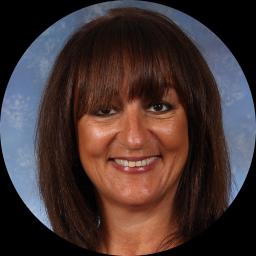
BACP counsellor in the United Kingdom with 26 years of practice, Gail Churney helps people with stress, anxiety, relationships, grief, parenting and depression. She works with individuals to talk through problems and to find manageable ways forward. Gail communicates plainly and keeps sessions focused on what matters most to each person.
Gail creates a space where clients can say difficult things and think them through. She pays attention to attachment patterns and how they affect closeness and trust. Practical conversation and reflective listening are central to her way of working.
She also addresses specific relationship difficulties such as commitment worries, communication problems and blended family issues. Clients often bring concerns about codependency, control or dependency styles, and she helps them see patterns that keep repeating.
Gail has long experience supporting people through loss and separation. She works through the practical and emotional steps after divorce and bereavement, and looks at how guilt, shame or emptiness show up day to day.
Parenting and fatherhood issues are within her remit, alongside eating and food-related concerns and domestic violence related matters. She aims to help clients spot small changes that make routines and relationships easier to manage.
Sheet 2
Therapeutic approaches and online sessions
Gail describes her work as evidence-based and practical. Two common approaches she uses are reflective listening and pattern-focused work. Reflective listening involves restating what a client says to clarify feelings and offer a gentle challenge; it helps with anxiety and relationship communication. Pattern-focused work looks at repeated behaviours and attachment dynamics to show how past responses shape current problems; this is useful for codependency, commitment worries and family conflict.Choosing the right approach is a collaborative process. Gail will talk with clients about their goals and test different ways of working to find what fits best. She involves the person in setting priorities and reviewing progress as therapy continues.
Session formats are not specified in the biography, so confirm current options before booking. Many people find remote work useful because it can fit around family life, reduce travel time and allow shorter check-ins when needed. Registered or accredited professionals can adapt techniques used in face-to-face work to a range of session lengths and rhythms so the work can fit into everyday schedules.
Sheet 3
Areas of expertise
Primary focus
Additional focus areas
Experience
26+ years
Listed in
United Kingdom
Languages
English
Sheet 4
Frequently asked questions
What problems does Gail help with?
She supports people with stress, anxiety, relationship difficulties, grief, parenting and depression. Additional focus areas include attachment issues, codependency and communication problems.
What is her therapeutic style?
Her approach is conversational and practical, using reflective listening and focused discussion. She helps clients identify patterns and practical changes to try between sessions.
How much experience does she have?
She has 26 years of professional experience working with clients in the UK. That experience includes work on relationship and grief-related issues.
What credential does she hold and where is she based?
She is registered with the British Association for Counselling and Psychotherapy (BACP) and practises in the United Kingdom.
Which languages are supported?
Sessions are offered in English.
Can international clients work with her?
She does not accept international clients at this time.
How are sessions paid for?
Costs vary by location and sessions use a subscription model that can be cancelled at any time. Specific fees are set according to where the client is based.
How do I begin sessions?
Start by selecting the See online therapy options button, complete a short matching questionnaire, and then schedule a first session.
Online talk therapy is not emergency care. If you are in danger, use the urgent help numbers.