Sheet 1
- Client-Centred Therapy
- Stress and anxiety
- Self esteem work
About Deborah
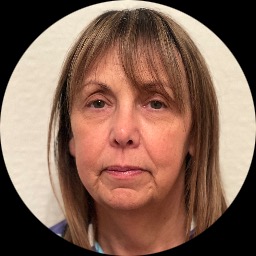
BACP counsellor in the United Kingdom with three years of experience, Deborah McNeilis focuses on stress, anxiety, self-esteem and coping with life changes. She works with adults facing isolation, money worries, social anxiety and young adult issues. Deborah practises Client-Centred Therapy and uses that approach to guide conversations and planning.
Deborah keeps sessions straightforward. She listens, reflects what she hears, and helps clients notice options they might not have seen. Conversations are led by the client's concerns rather than a fixed script. The emphasis is on understanding what matters to each person and working from there.
In practice she helps people talk through stress and low confidence in everyday language. For social anxiety she focuses on manageable steps that fit into daily life. When money worries or life changes are the issue, sessions look at practical coping strategies and clearer thinking about next steps.
Deborah draws on Person-Centred principles to shape the working relationship. That means the client’s views and goals steer the sessions. The therapist offers responses, observations and questions aimed at clarifying priorities and reducing overwhelm.
Sessions tend to be conversational and paced to the individual. People can expect a calm, direct style that aims to make problems easier to sort out. To start, readers are asked to use the site process to match and book an initial session.
Sheet 2
How Client-Centred work translates to online sessions
Client-Centred Therapy concentrates on listening and reflecting, helping a person put words to what matters most. In practice this approach helps with anxiety, stress and confidence by focusing sessions on the client's priorities and pace. The counsellor responds to the client's descriptions and uses those responses to shape next steps.Online sessions can also use conversational, Person-Centred methods. The therapist will work with the client to decide how the sessions should run, what topics to focus on and which practical steps to try between meetings. That decision is collaborative and can change as needs evolve.
Session formats are not specified in the biography, so confirm the current session options before booking. Online work can make it easier to fit therapy into busy days, reduce travel time and allow appointments from a range of locations. Some formats also let people choose shorter check-ins or sessions that do not require video, which can help on quieter or lower-bandwidth days.
Sheet 3
Areas of expertise
Primary focus
Additional focus areas
Therapeutic approaches
Experience
3+ years
Listed in
United Kingdom
Languages
English
Sheet 4
Frequently asked questions
What concerns does she address?
She works with stress, anxiety, self-esteem and coping with life changes. Additional focus areas include isolation, money worries, social anxiety and young adult issues.
What therapeutic style does she use?
She uses Client-Centred Therapy, where conversations are guided by the client's concerns and goals. The approach emphasises listening and reflecting to help clients clarify what matters to them.
How much experience does she have?
She has three years of professional experience working as a counsellor. That experience has concentrated on anxiety, stress and related everyday problems.
What credential does she hold and where is she based?
She holds BACP and practises in the United Kingdom.
Which languages are supported?
Sessions are offered in English.
Can international clients work with her?
She does not accept international clients at this time.
How are sessions charged?
Cost varies with location and sessions use a subscription that can be cancelled at any time.
How do I begin working with her?
Use the See online therapy options button, complete the short matching questionnaire, and schedule a first session.
Online talk therapy is not emergency care. If you are in danger, use the urgent help numbers.