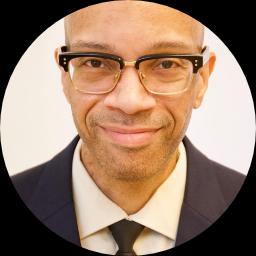
Sheet 1
- Addictions
- Trauma and abuse
- Cognitive Behavioral Therapy
About Chris
LCSW in New York with 8 years of clinical experience, Chris Payton helps people facing addictions, trauma and abuse, anger, low self-esteem, and depression. He works with issues related to HIV and AIDS as an additional focus. Sessions use approaches such as Cognitive Behavioral Therapy and Motivational Interviewing.
Chris keeps sessions practical and direct. He listens to what’s happening now and helps people develop concrete ways to change unhelpful patterns. He uses CBT to identify thoughts and behaviors that keep problems going, and motivational interviewing to build readiness for change when motivation is mixed.
Clients can expect clear goals and step-by-step tasks between meetings. Chris breaks larger problems into manageable steps, so progress can be tracked week to week. He also addresses the emotional impact of trauma and helps people find ways to cope with intense feelings.
When addiction or HIV-related concerns are part of the picture, sessions focus on realistic strategies for reducing harm and improving daily functioning. Chris discusses options openly and helps people weigh choices without judgment.
The work is collaborative. Chris asks about what has helped before and builds on strengths while addressing obstacles. He encourages regular review of goals and adjusts the plan as needed to keep progress practical and achievable.
Sheet 2
Therapeutic approaches used in online work
Chris uses Cognitive Behavioral Therapy to help identify and change thoughts and behaviors that maintain problems. CBT sessions typically involve setting concrete goals, learning practical skills, and trying small experiments between meetings to test new ways of coping.He also uses Motivational Interviewing to help people clarify their reasons for change and strengthen commitment. That approach is conversational and works well when motivation is mixed or when someone feels stuck about taking the next step.
Finding the best approach is part of the work together. Chris will discuss options during early sessions and help choose strategies that match a person’s goals, needs, and preferences. The plan can be adjusted as progress is reviewed so the method stays useful and relevant.
Session format details are not specified in the biography, so confirm available options before booking. Many people find online sessions help fit therapy into a busy week by reducing travel and offering more flexible scheduling. Others like shorter check-ins when they only need brief support, or video meetings when visual cues are helpful; Chris can discuss what will work best given a person’s routine and goals.
Sheet 3
Areas of expertise
Primary focus
Additional focus areas
Therapeutic approaches
Experience
8+ years
Listed in
New York
Languages
English
Sheet 4
Frequently asked questions
What concerns does he address?
He works with addictions, trauma and abuse, anger, self-esteem, and depression. HIV and AIDS are listed as an additional focus.
What approach does he use in sessions?
Sessions use Cognitive Behavioral Therapy and Motivational Interviewing. These methods focus on changing unhelpful thoughts and building motivation for change.
How much clinical experience does he have?
He has eight years of professional experience as a clinician. That experience includes work with the issues listed above.
What are his professional credentials and location?
He is a Licensed Clinical Social Worker (LCSW) licensed in New York. His practice is based in New York.
Which languages are sessions offered in?
Sessions are offered in English. International clients are not currently accepted.
What session formats are available?
Session formats are not specified in the biography. Confirm current session options before booking to know which formats are offered.
How are fees handled?
Cost varies with location and sessions use a subscription that can be canceled at any time. Specific pricing details depend on the chosen location.
How do I begin working with him?
Begin by selecting the See online therapy options button, completing a short matching questionnaire, and scheduling a first session. That sequence starts the intake and scheduling process.
Online talk therapy is not emergency care. If you are in danger, use the urgent help numbers.