Sheet 1
- Client-Centered Therapy
- Cognitive Behavioral Therapy
- Grief and loss support
About Carline
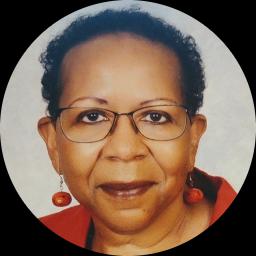
Licensed Professional Counselor (LPC) in Texas with 5 years of experience, Carline Alexander helps people facing stress, anxiety, relationship concerns, grief, low self-esteem, depression, and compassion fatigue. She works from client-centered and cognitive behavioral approaches and focuses on practical steps people can use day to day.
Carline views each person as the expert on their own life. She looks for existing strengths and builds on them. Sessions aim to be straightforward and focused on what clients want to change or understand.
Using Client-Centered Therapy, she listens closely and follows what matters most to the person in the room. With Cognitive Behavioral Therapy (CBT), she helps people identify unhelpful thoughts and try different behaviors to see what changes.
In sessions she talks through concrete strategies for managing stress, improving mood, and handling relationship conflicts. She also works with people coping with grief and loss, and those struggling with motivation and confidence. The goal is to leave sessions with at least one practical thing to try before the next meeting.
Carline’s style is direct and supportive. She encourages small experiments and checks what works for each person. To start, she asks people to complete a short questionnaire and then schedule a first session.
Sheet 2
How Client-Centered and CBT work in online sessions
Client-Centered Therapy focuses on listening and following what matters to the client. The therapist reflects back what she hears and helps the person clarify goals and priorities. This approach is useful when someone needs space to make sense of feelings and decisions.Cognitive Behavioral Therapy (CBT) looks at the links between thoughts, feelings, and behavior. Sessions involve identifying unhelpful thought patterns and trying small behavioral experiments. CBT is commonly used for anxiety, depression, stress, and motivation challenges.
Finding the best approach is part of the work. The therapist will discuss goals and preferences and then try methods that fit the person’s needs. Sessions are collaborative, with adjustments made over time based on what helps.
Session formats are not specified in the provided biography, so confirm current options before booking. Online therapy can make it easier to fit sessions into a busy life - for example it can reduce travel time, allow shorter check-ins during a lunch break, or let someone choose a session mode that needs less bandwidth. Licensed professionals can use both listening-focused and skills-focused work effectively in remote sessions.
Sheet 3
Areas of expertise
Primary focus
Also works with
Therapeutic approaches
Experience
5+ years
Listed in
Texas
Languages
English
Sheet 4
Frequently asked questions
What concerns does she address?
She works with stress, anxiety, relationship issues, grief, low self-esteem, depression, anger, compassion fatigue, and coping with life changes.
What therapy approaches does she use?
The main approaches are Client-Centered Therapy and Cognitive Behavioral Therapy (CBT). Sessions combine listening with skill-based work.
How much clinical experience does she have?
She has five years of professional work experience as an LPC in Texas.
What credential and location apply?
She is an LPC licensed in Texas and practices with that credential and location listed.
Which languages are supported?
Sessions are offered in English.
Can international clients work with her?
She is not accepting international clients at this time.
How much do sessions cost?
Costs vary by location and sessions use a subscription model that can be canceled at any time.
How do I begin a first session?
Choose the See online therapy options button, complete a short matching questionnaire, and schedule a first session.
Online talk therapy is not emergency care. If you are in danger, use the urgent help numbers.