Sheet 1
- Relationship focus
- Cognitive Behavioral Therapy
- SYMBIS pre-marital counseling
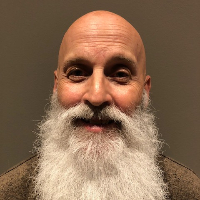
About Timothy
Licensed Professional Counselor (LPC) in Missouri with 25 years of experience, Timothy Klopfenstein helps people handle relationship and parenting concerns, self-esteem struggles, stress, anxiety, grief, intimacy-related issues, and depression. He sees individuals and couples and can include faith-based counseling when requested.
Timothy uses a relational approach in sessions. He draws on Cognitive Behavioral Therapy (CBT) and other modalities to shape practical conversations. Sessions focus on identifying patterns, testing small changes, and building clearer communication between partners or within one person's life.
Many clients come with specific concerns like repeated arguments, trouble trusting themselves, or ongoing worry. Timothy will listen to what matters most and work with the person to set short-term, manageable goals. He also offers SYMBIS pre-marital and young-married assessment and counseling for couples who want a structured process before or early in marriage.
His prior work includes practice in a professional counseling office and experience in pastoral counseling settings. That background informs how he discusses values, belief systems, and relationship roles when clients want that included.
Sessions tend to be direct and practical. Timothy aims to help people learn specific skills they can use between meetings, such as communication techniques, thought-challenging exercises from CBT, and steps to reduce daily stress. People who prefer faith-informed conversations can ask for them.
Sheet 2
How his approaches fit into online work
CBT focuses on the connection between thoughts, feelings, and behaviors. In practice this means identifying unhelpful thought patterns, testing those thoughts, and trying small behavior changes to reduce anxiety or depression. It often helps with stress, worry, self-esteem, and mood challenges.His relational approach emphasizes the interactions between people. For couples this involves mapping communication patterns, noticing how each person responds, and practicing new ways to speak and listen. That method is useful for intimacy-related problems and recurring conflict.
Choosing the right approach is collaborative. Timothy will discuss goals and preferences, then try methods that fit the person or couple. He checks in and adjusts the plan as work progresses so the approach stays useful and practical.
The original biography does not specify which online session formats are offered. Confirm the current session options before booking. Online sessions can make it easier to fit meetings into a workday, to keep appointments when travel is difficult, or to have shorter check-ins that focus on skills practice without extra travel time.
Sheet 3
Areas of expertise
Primary focus
Also works with
Therapeutic approaches
Experience
25+ years
Listed in
Missouri
Languages
English
Sheet 4
Frequently asked questions
What concerns does he address?
He works with relationship and parenting issues, self-esteem, stress, anxiety, grief, intimacy-related issues, and depression.
How does he approach therapy?
He uses a relational style and draws on Cognitive Behavioral Therapy to identify patterns and teach practical skills for everyday life.
How much experience does he have?
He has 25 years of counseling experience in professional and pastoral settings.
What are his credentials and location?
He is a Licensed Professional Counselor (LPC) licensed in Missouri.
Which languages are offered?
Sessions are offered in English and international clients are accepted.
What session formats are available?
The original biography does not list specific session formats. Confirm current session options before booking.
How are costs handled?
Cost varies with location; sessions use a subscription that can be canceled at any time.
How do I begin working with him?
Select the See online therapy options button, complete a short matching questionnaire, and schedule a first session.
Online talk therapy is not emergency care. If you are in danger, use the urgent help numbers.