Sheet 1
- Addictions support
- Career difficulties
- Motivational interviewing
About Tiffany
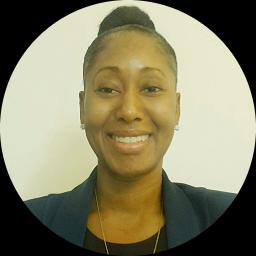
LCSW in New Jersey with three years of professional experience, Tiffany Francis focuses on addictions, family concerns, and career-related stress. She works directly with people who are navigating change or feeling stuck and uses conversational, goal-oriented methods to help them move forward.
Tiffany practices client-centered work, which means sessions follow the person's concerns and pace. She also uses motivational interviewing to help people clarify reasons for change and build their own momentum. Solution-focused techniques are included to set clear, practical steps and small goals.
In sessions she listens for what matters most to the person and then helps turn that into specific, achievable plans. Conversations aim to be straightforward and practical rather than abstract. This can include identifying short-term goals, trying new behaviors between meetings, and checking what helps or gets in the way.
Her background includes work with people facing aging and geriatric issues, communication problems, and hospice and end-of-life counseling. Those areas inform how she talks about stress, grief, and major life transitions.
Tiffany uses plain language in sessions and focuses on concrete next steps. She asks about the person's goals and adjusts the approach as progress is reviewed. People who want clear, action-minded sessions often find this style useful.
Sheet 2
How her approaches translate to online work
Client-Centered Therapy focuses on listening and following the person's lead. Online sessions still center on what matters to the individual and let the therapist adapt pacing and topics from session to session. Motivational Interviewing is a short-term, collaborative way to explore readiness to change and build motivation; it works well for addictions and career shifts by breaking down ambivalence and identifying personal reasons to act. Solution-Focused Therapy targets small, practical steps and measurable goals so progress can be tracked between meetings.Choosing the best approach is part of the process. The therapist works together with the person to decide which methods fit their situation, goals, and preferences. That discussion can take place in the first few sessions and the plan can change as needs become clearer.
Confirm current session options before booking, as specific formats are not listed in the biography. Online work can make it easier to fit sessions into a busy life by reducing travel time and allowing appointments during shorter breaks. Some formats also make it simpler to have quick check-ins or to focus on talking without needing to be on camera. Ask about available session arrangements when scheduling so the chosen format matches daily routines and technical needs.
Sheet 3
Areas of expertise
Primary focus
Additional focus areas
Therapeutic approaches
Experience
3+ years
Listed in
New Jersey
Languages
English
Sheet 4
Frequently asked questions
What concerns does she focus on?
She works with addictions, family concerns, and career difficulties, with additional focus on aging and geriatric issues, communication problems, and hospice and end-of-life counseling.
What therapeutic approaches does she use?
Her practice uses Client-Centered Therapy, Motivational Interviewing, and Solution-Focused Therapy to guide sessions and set practical goals.
How much clinical experience does she have?
She has three years of professional experience working in behavioral health settings and related care.
What are her credentials and location?
She is an LCSW licensed in New Jersey and practices from that state.
Which languages are supported?
Sessions are offered in English.
Can international clients work with her?
She does not accept international clients at this time.
How are sessions scheduled and billed?
Cost varies with location; sessions use a subscription that can be canceled at any time.
How do I begin a first session?
Select the See online therapy options button, complete a short matching questionnaire, and schedule a first session.
Online talk therapy is not emergency care. If you are in danger, use the urgent help numbers.