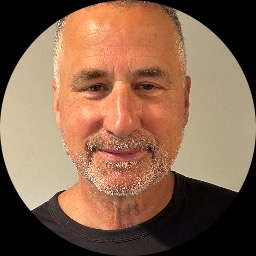
Sheet 1
- Stress and anxiety
- Trauma recovery
- Parenting support
About Thomas
Licensed Professional Counselor (LPC) in Missouri with 30 years of experience, Thomas Michler focuses on stress, anxiety, relationship concerns, trauma and abuse recovery, parenting issues, and coaching. He works directly with individuals to identify practical steps they can take to reduce distress and improve daily functioning. Thomas uses evidence-based therapeutic techniques and keeps sessions straightforward and focused on concrete goals.
Clients can expect clear, goal-oriented conversations that look at current problems and next steps. He helps people learn coping strategies for anxiety and stress, practices to improve communication in relationships, and ways to respond to trauma-related symptoms. Parenting conversations center on realistic strategies that fit family life rather than abstract theory.
Across his work Thomas emphasizes skills people can use between sessions. He combines short-term problem solving with longer-term planning when needed. This includes teaching tools to manage overwhelming moments and practicing new ways to handle conflict or worry.
Over three decades Thomas has refined a practical approach to counseling that aims to be direct and useful. He draws on clinical experience to match techniques to each person’s situation. The emphasis is on measurable steps and everyday change rather than jargon.
People looking to begin will find a clear process for first contact and scheduling. Thomas conducts sessions in English and does not accept international clients. Cost varies by location and uses a cancel-anytime subscription model.
Sheet 2
How evidence-based techniques are used in remote sessions
Thomas uses evidence-based therapeutic techniques to address clear problems and teach practical skills. Cognitive-behavioral approaches focus on identifying unhelpful thoughts and testing new behaviors to lower anxiety and manage stress. These methods help with worry, phobias, and everyday coping by practicing small changes and tracking results.Trauma-informed strategies are applied to support people recovering from abuse or traumatic events. This work prioritizes pacing and safety while teaching ways to reduce reactivity and regain a sense of control. The therapist guides gradual exposure to distressing memories alongside grounding and emotion-regulation skills.
Choosing the right approach is collaborative. Thomas will discuss goals, preferences, and what has or hasn't helped before choosing methods. He adjusts techniques over time based on how a person responds and what fits their life.
Session formats are not specified in the biography, so confirm current options before booking. Many people find remote sessions help fit counseling into busy days by removing travel, shortening check-ins, or allowing appointments between other obligations. Licensed professionals can use these formats to maintain continuity of care when in-person meetings are difficult to arrange.
Sheet 3
Areas of expertise
Primary focus
Experience
30+ years
Listed in
Missouri
Languages
English
Sheet 4
Frequently asked questions
What concerns does he address?
He focuses on stress, anxiety, relationship issues, trauma and abuse recovery, parenting challenges, and coaching.
What is his therapeutic style?
He uses evidence-based therapeutic techniques with a practical, goal-oriented style that emphasizes skills and concrete steps.
How much experience does he have?
He has 30 years of professional experience working in counseling.
What are his credentials and where is he based?
He is a Licensed Professional Counselor (LPC) and practices in Missouri.
Which languages are supported?
Sessions are offered in English.
Can international clients work with him?
He does not accept international clients at this time.
How does billing and cost work?
Cost varies by location and sessions use a subscription that can be canceled at any time.
How do I begin a first session?
Use the See online therapy options button, complete the short matching questionnaire, and schedule a first session.
Online talk therapy is not emergency care. If you are in danger, use the urgent help numbers.