Sheet 1
- Client-Centered Therapy
- Young adult focus
- Career and workplace issues
About Shannon
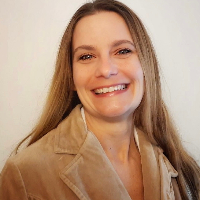
Licensed Mental Health Counselor-Supervisor (LCMHC) in North Carolina with eight years of experience, Shannon Pena helps people managing stress, anxiety, career questions, life changes, ADHD, parenting strain, and relationship or family concerns. She works mainly with young adults but has experience across ages and with people who have disabilities, including autism spectrum conditions. Sessions emphasize clear goals and practical steps.
Shannon uses a person-centered, integrative approach. She starts by listening to what matters most to the client. From there she chooses methods that fit the situation and the person's preferences rather than applying a single technique to everyone.
In practical terms, Shannon helps people talk through career and workplace issues, cope with transitions, and manage everyday anxiety and anger. She also supports people navigating developmental or vocational challenges, and those dealing with compassion fatigue. Occasional homework is used to reinforce progress between sessions.
Her work with autism spectrum conditions and ADHD focuses on daily functioning and problem-solving. For young adults she often addresses self-esteem, vocational direction, and social or emotional concerns. She also has experience with intellectual disability and women’s issues.
Shannon asks clients to be open and honest during sessions so they can set realistic goals together. Progress is monitored and adjusted as needed. Before booking, confirm current session formats and scheduling details through the site.
Sheet 2
How her client-centered approach works for online sessions
Shannon uses Client-Centered Therapy, which focuses on listening to the client's priorities and helping them find their own solutions. This approach helps with anxiety, self-esteem, relationship concerns, and life transitions by centering the client's perspective and goals.She also practices an integrative style, selecting methods that fit the person's situation. That means the therapist and client decide together what techniques to try and adjust them over time based on progress and preference.
Finding the right way of working is part of the process. Shannon will collaborate with the client to figure out which approach fits the issue, the goals, and how the person prefers to work. Goals are set together and reviewed as sessions continue.
Session formats are not listed in the biography, so please confirm current options before booking. In general, remote sessions can make it easier to fit counseling around work, study, or caregiving by reducing travel time and allowing shorter check-ins when needed. They can also help people keep consistent appointments during life changes without needing to be in the same location as the therapist.
Sheet 3
Areas of expertise
Primary focus
Also works with
Additional focus areas
Therapeutic approaches
Experience
8+ years
Listed in
North Carolina
Languages
English
Sheet 4
Frequently asked questions
What concerns does she address?
She focuses on stress, anxiety, career questions, coping with life changes, ADHD, relationships, family and parenting issues, anger, self-esteem, and compassion fatigue, plus autism spectrum and workplace challenges.
What is her therapeutic style?
She practices Client-Centered Therapy in an integrative way, adapting approaches to fit each person and setting collaborative goals. Occasional homework may be assigned to support progress.
How much experience does she have?
She has eight years of clinical experience working with young adults and people with developmental or vocational needs.
What are her credentials and where is she based?
She holds the LCMHC credential and is licensed in North Carolina.
Which languages are supported?
Sessions are offered in English.
Can people outside the United States work with her?
International clients are not currently accepted.
What session formats are available?
Session formats are not specified here; please confirm current session options on the booking page before scheduling.
How are fees handled?
Cost varies by location and sessions use a subscription that can be canceled at any time.
Online talk therapy is not emergency care. If you are in danger, use the urgent help numbers.