Sheet 1
- Stress and anxiety
- Relationship issues
- Grief and loss
About Marlene
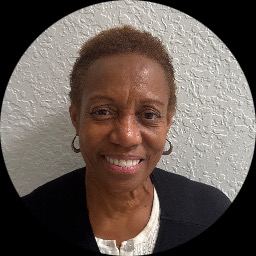
LCSW Marlene Smikle-Chaturvedi has 20 years of clinical experience in New York working with adults on stress, anxiety, relationships, grief, self-esteem, and depression. She uses a person-centered style focused on collaboration and respect for each client's background and values.
Marlene works with people facing both sudden changes and long-term struggles. Sessions focus on practical steps that fit everyday life. She listens for what matters most to the person and helps them try approaches that suit their goals.
Her approach is interactive. Marlene asks questions, reflects what she hears, and suggests straightforward strategies to try between sessions. Progress is reviewed regularly so plans can be adjusted.
She emphasizes building skills for managing strong emotions and improving how people relate to others. That can include pacing difficult conversations, identifying unhelpful thought patterns, and practicing new ways of coping.
Marlene draws on two decades of seeing how different methods work in real life. She aims to help people reduce distress and increase day-to-day functioning through practical, step-by-step work. To begin, clients complete a short matching questionnaire and schedule a first session through the see online therapy options button.
Sheet 2
How therapeutic methods translate to online sessions
Evidence-based therapeutic techniques often used in person also adapt well to remote work. Person-centered approaches focus on the client's goals and values, with the therapist asking questions, reflecting back what they hear, and helping the client choose practical next steps. This approach helps when someone needs a steady, collaborative process to sort priorities and make changes.Cognitive and behavioral strategies involve noticing unhelpful thoughts, testing them, and trying new behaviors. These techniques are useful for anxiety, low mood, and stress because they break problems into small, manageable tasks that can be practiced between sessions.
Finding the right approach is part of the therapeutic process. The therapist and client will look at concerns, preferences, and what has helped before. They will try methods together and adjust based on what works for the person's goals and day-to-day life.
Confirm current session options before booking, as formats are not specified here. Online work can make it easier to fit sessions into a busy schedule, allow shorter check-ins when needed, and reduce time spent traveling. Licensed professionals can use remote sessions to support regular, focused work on symptoms and relationship patterns without promising specific outcomes.
Sheet 3
Areas of expertise
Primary focus
Experience
20+ years
Listed in
New York
Languages
English
Sheet 4
Frequently asked questions
What concerns does she address?
She works with stress, anxiety, relationship strain, grief, low self-esteem, and depression.
What is her therapeutic style?
Her style is person-centered and collaborative, with an emphasis on practical steps and regular review of progress.
How much clinical experience does she have?
She has 20 years of experience providing therapy in New York.
What are her credentials and where is she based?
She is a Licensed Clinical Social Worker, LCSW, practicing in New York.
Which languages are supported?
Sessions are offered in English.
Can people outside the United States work with her?
She does not accept international clients at this time.
How are sessions arranged and paid for?
Costs vary with location; sessions use a subscription that can be canceled at any time.
What steps are needed to begin?
Click the see online therapy options button, complete the short matching questionnaire, and schedule a first session.
Online talk therapy is not emergency care. If you are in danger, use the urgent help numbers.