Sheet 1
- Stress and anxiety
- Trauma and PTSD
- Sleep and pain
About Kathleen
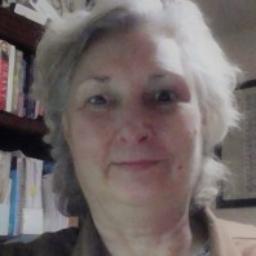
IL Psychologist Kathleen "Kathy" Sexton-Radek has practiced for 40 years. She focuses on stress, anxiety, trauma and abuse, sleep problems, and depression. She also addresses chronic pain, illness, panic attacks, and post-traumatic stress. Sessions are conducted in English and take place in Illinois.
Sexton-Radek uses evidence-based therapeutic techniques to help people manage symptoms and solve practical problems. She works with clients to identify what keeps symptoms going and to test new ways of coping. Conversations are direct and focused on small, concrete steps that make daily life easier.
Her approach pays attention to how past experiences affect current feelings and behavior. She helps people notice patterns, practice new skills, and gradually change routines that cause distress. Her work often combines mood management with strategies for better sleep and reduced physical symptoms from chronic illness.
People who contact her can expect a collaborative process. Goals are set together and revised as progress is made. The emphasis is on workable strategies rather than long, abstract explanations.
Sexton-Radek’s long career includes many clinical settings and years of treating trauma and anxiety-related conditions. Her background supports practical problem solving for complex, overlapping concerns. To begin, users are asked to complete a short matching questionnaire and schedule a first session.
Sheet 2
How evidence-based techniques are used in remote work
Evidence-based therapeutic techniques focus on specific skills and practices that reduce symptoms and improve daily functioning. For example, cognitive-behavioral style work helps people notice unhelpful thoughts and test new responses; it is commonly used for anxiety and depression. Approaches addressing trauma emphasize gradual processing and skills for tolerating distress, which can reduce panic and post-traumatic stress symptoms.Finding the right approach is part of the work together. The therapist will review symptoms, goals, and preferences and suggest techniques that fit. Clients and therapist decide collaboratively whether to emphasize sleep strategies, behavioral changes, or trauma-focused practices as sessions progress.
Session logistics should be confirmed before booking, since formats are not listed in the biography. Online sessions can make it easier to fit therapy into a busy life - for example, by removing travel time, allowing shorter check-ins during a work break, or avoiding the need to be on camera when that is helpful. Confirm available session formats when you schedule so you know which options will be offered.
Sheet 3
Areas of expertise
Primary focus
Additional focus areas
Experience
40+ years
Listed in
Illinois
Languages
English
Sheet 4
Frequently asked questions
What concerns does she address?
She focuses on stress, anxiety, trauma and abuse, sleep problems, and depression. Additional attention is given to chronic pain, panic attacks, and post-traumatic stress.
What is her therapeutic style?
She uses evidence-based therapeutic techniques and emphasizes practical, concrete steps. Sessions focus on identifying patterns and testing new coping strategies.
How much clinical experience does she have?
She has 40 years of professional experience in clinical psychology. That background includes long-term work with trauma and anxiety-related conditions.
What credential does she hold and where does she practice?
She is an Illinois Psychologist, license number 071.005336, and practices in Illinois.
Which languages are supported?
Sessions are offered in English.
Can people outside the United States work with her?
International clients are not currently accepted.
How much do sessions cost?
Cost varies with location; sessions use a subscription model that can be canceled at any time.
How do I begin the process?
Start by selecting the See online therapy options button, completing a short matching questionnaire, and scheduling a first session.
Online talk therapy is not emergency care. If you are in danger, use the urgent help numbers.