Sheet 1
- Stress and anxiety
- Addictions support
- CBT and DBT approaches
About Angela
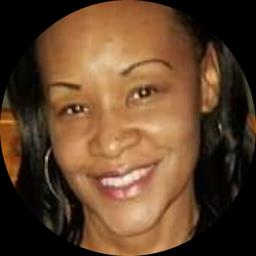
LCSW, LISW-CP licensed in North Carolina with 15 years of experience, Angela Greene-Junior helps people facing stress, anxiety, addictions, relationship strain, anger, and depression. She works with individuals to talk through what is happening now and to set practical goals for change.
She uses approaches such as Cognitive Behavioral Therapy, Dialectical Behavior Therapy, Mindfulness, Motivational Interviewing, and Solution-Focused Therapy. Sessions focus on identifying patterns that keep problems going, learning tools to manage strong emotions, and building small steps that lead to clearer choices. Angela explains methods in plain terms and uses exercises people can try between meetings.
Her background includes work in mental health and addictions across North and South Carolina over a 15-year career. That experience shapes a straightforward style that blends skills training with short-term problem solving. The emphasis is on clear strategies rather than jargon.
Angela describes faith as important in her life. If a client wishes, she can integrate faith-informed conversation into sessions alongside clinical approaches. That element is offered as part of a broader focus on each person's goals and preferences.
People who choose to work with her usually start by identifying one or two pressing concerns. From there she helps set measurable, realistic steps and checks progress regularly. Practical homework and skill coaching are common parts of the work.
Sheet 2
How her approaches translate to online sessions
Angela uses Cognitive Behavioral Therapy and Dialectical Behavior Therapy in straightforward ways. CBT focuses on identifying unhelpful thoughts and testing different behaviors to reduce stress and depressive symptoms. DBT teaches specific emotion regulation and distress tolerance skills for managing anger and strong urges related to addictions.She also draws on Mindfulness Therapy to help clients notice sensations and thoughts without judgment. That practice can reduce reactivity and make other skills easier to use. Choosing which approach to use is a collaborative process. The therapist and client review goals, try techniques, and adjust the plan based on what helps most.
Confirm current session options before booking, as formats are not specified in this profile. Online sessions can make it easier to fit therapy into a busy week, allow shorter check-ins when needed, and reduce travel time. Many people find practicing skills between meetings and bringing real-life examples into sessions helps progress.
Sheet 3
Areas of expertise
Primary focus
Therapeutic approaches
Experience
15+ years
Listed in
South Carolina, North Carolina
Languages
English
Sheet 4
Frequently asked questions
What concerns does she address?
She supports people with stress, anxiety, addictions, relationship issues, anger, and depression.
What therapeutic methods does she use?
She works with Cognitive Behavioral Therapy, Dialectical Behavior Therapy, Mindfulness Therapy, Motivational Interviewing, and Solution-Focused Therapy.
How much clinical experience does she have?
She has 15 years of professional experience in mental health and addictions.
What are her credentials and where is she licensed?
She holds LCSW and LISW-CP credentials and practices in North Carolina.
Which languages are supported for sessions?
Sessions are offered in English.
Can international clients work with her?
She does not accept international clients at this time.
How are session fees handled?
Fees vary by location and sessions use a subscription that can be canceled at any time.
How do I begin working with her?
Start by selecting the See online therapy options button, complete a short matching questionnaire, and schedule a first session.
Online talk therapy is not emergency care. If you are in danger, use the urgent help numbers.