Sheet 1
- Solution-focused methods
- Cognitive behavioral techniques
- Client-centered approach
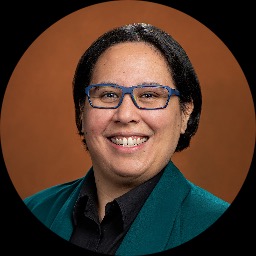
About Aaron
Licensed Professional Counselor (LPC) in Arizona with 10 years of experience. Aaron Langham Aster helps adults manage stress, anxiety, and life changes using practical, solution-focused strategies. She works with people who want straightforward tools and clear next steps rather than long-term exploration alone.
Aaron favors short-term, action-oriented work that targets what is getting in the way day to day. Sessions focus on identifying patterns, trying small changes, and building skills that reduce worry and increase functioning. Cognitive behavioral techniques and solution-focused ideas are often used alongside client-centered conversation.
She also draws on psychodynamic thinking to notice recurring themes that shape behavior and relationships. Motivational interviewing helps when someone is unsure about change or needs clearer reasons to act. The mix is chosen to match each person’s immediate goals and pace.
Aaron describes her style as collaborative and down-to-earth. She aims for direct discussion, practical exercises, and occasional humor to keep work manageable. Expect concrete steps between sessions and a focus on measurable progress.
Her stated areas of concern include stress, anxiety, LGBT issues, relationship difficulties, and coping with life transitions. Additional focus areas are communication problems, panic disorder and panic attacks, and issues common to young adults. Sessions are conducted in English and follow the LPC credentialing she lists.
Sheet 2
How Aaron uses common approaches in remote sessions
Aaron often uses Cognitive Behavioral Therapy to help people notice thinking patterns and try new behaviors. CBT gives concrete tools for anxiety, panic, and overwhelming worry. Solution-Focused Therapy is another frequent element; it centers on small, practical steps and measurable short-term goals that reduce stress and improve daily routines.Finding the right approach is treated as a collaborative process. Aaron will discuss your situation, test techniques, and adjust methods based on what works for you. The goal is to match approach and pace to your needs rather than apply a single method from the start.
Session formats are not listed in the biography, so confirm current session options before booking. Online work can make it easier to schedule brief check-ins, fit sessions into a workday, or reduce travel time. Those practical benefits can help people keep momentum while trying new coping strategies.
Sheet 3
Areas of expertise
Primary focus
Also works with
Additional focus areas
Therapeutic approaches
Experience
10+ years
Listed in
Arizona
Languages
English
Sheet 4
Frequently asked questions
What concerns does she address?
She works with stress, anxiety, LGBT matters, relationship strain, and coping with life changes. Additional focuses include communication problems, panic attacks, and young adult issues.
What therapeutic approaches does she use?
She uses Client-Centered Therapy, Cognitive Behavioral Therapy (CBT), Motivational Interviewing, Psychodynamic Therapy, and Solution-Focused Therapy. The mix is chosen based on a person’s needs and goals.
How much clinical experience does she have?
She has 10 years of experience working with adults on stress, anxiety, and life transitions. That decade informs her practical, action-oriented style.
What credentials and region are listed?
She holds the LPC credential and lists Arizona as her location. The profile uses the LPC designation as provided.
Which languages are supported?
Sessions are offered in English only.
Does she work with clients outside the United States?
International clients are not accepted at this time.
How are sessions paid for and what does it cost?
Cost varies by location and sessions use a subscription that can be canceled at any time. Specific rates are provided during the sign-up process.
How do I begin a first session?
Start by selecting the See online therapy options button, complete a short matching questionnaire, and schedule a first session. That sequence connects you with the next steps.
Online talk therapy is not emergency care. If you are in danger, use the urgent help numbers.