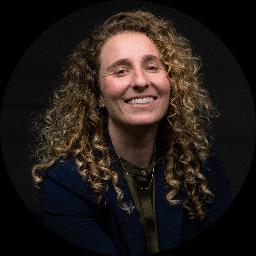
Sheet 1
- Affirming care
- Trauma informed
- Creative approaches
About Mari
Licensed Clinical Social Worker (LCSW) in Colorado with five years of clinical experience, Mari Moxley helps people facing stress, anxiety, ADHD, LGBTQ+ identity concerns, self-esteem struggles, and career-related issues. She uses an affirming, trauma-informed orientation and invites creative ways of working when helpful.
Mari approaches ADHD as a lived experience that affects work, attention, and relationships rather than only a checklist of symptoms. She often brings storytelling, creative expression, movement, or mindfulness into sessions for people who find those methods useful. These options are offered as tools to try together, not required parts of therapy.
Her style is collaborative and strengths-based. Sessions focus on practical strategies, clearer priorities, and skills that can be practiced between meetings. Mari pays attention to how stress and life transitions affect daily routines and motivation.
She frames therapy as a team effort where the person’s goals guide the work. Conversations can cover emotion regulation, strategies for focus and organization, identity exploration, and career decision-making. Small experiments and real-world practice are common features of her approach.
Mari holds the LCSW credential and the CSW designation and works from Colorado. She conducts sessions in English. If you want to begin, you complete a matching questionnaire and then schedule an initial session to see how the approach fits your needs.
Sheet 2
How Mari Uses Therapeutic Techniques in Virtual Sessions
Evidence-based techniques are used in straightforward ways. Trauma-informed approaches focus on pacing and safety, helping people address distressing memories or reactions by working at a tolerable speed and building coping skills. This can help when stress or past events are getting in the way of day-to-day functioning.Creative expression and narrative work involve using storytelling, movement, or creative tasks to name feelings and make sense of experiences. These methods can help people process identity questions, increase self-awareness, and try new ways of responding outside of talk alone.
Finding the right approach is part of the work. The therapist collaborates with each person to choose methods that fit their goals, preferences, and what feels useful in early sessions. Plans are adjusted as progress and needs become clearer.
Confirm the session formats offered before booking, since the biography does not list specific formats. In general, online sessions can make it easier to fit therapy into a busy schedule, allow short check-ins when time is limited, and reduce travel time. Discuss format preferences when you schedule the first appointment so sessions match your daily life and practical needs.
Sheet 3
Areas of expertise
Primary focus
Experience
5+ years
Listed in
Colorado
Languages
English
Sheet 4
Frequently asked questions
What concerns does she address?
She focuses on stress, anxiety, ADHD, LGBTQ+ identity issues, self-esteem, and career-related concerns.
How would you describe her therapeutic style?
Her style is collaborative and strengths-based with a trauma-informed approach. She uses practical strategies and may include creative methods like storytelling or movement.
How much clinical experience does she have?
She has five years of experience working with the listed concerns.
What are her credentials and location?
She holds LCSW and CSW credentials and practices in Colorado.
Which languages are supported in sessions?
Sessions are offered in English.
Can international clients work with her?
International clients are not currently accepted.
How are sessions arranged and paid for?
Cost varies with location and sessions use a subscription that can be canceled at any time.
What is the process to start working together?
Select the See online therapy options button, complete a short matching questionnaire, and schedule a first session.
Online talk therapy is not emergency care. If you are in danger, use the urgent help numbers.