Sheet 1
- CBT focused
- Stress management
- Self-love work
About Carrell
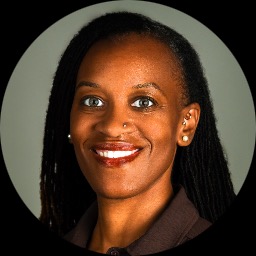
LCMHC in North Carolina with 14 years of experience, Carrell Frederick focuses on stress, anxiety, self-esteem, anger, depression, and self-love. She uses Cognitive Behavioral Therapy (CBT) as a primary approach and helps people develop clearer thinking and practical skills for daily life. She works with individuals who are trying to change unhelpful patterns and regain a sense of control.
Carrell keeps sessions direct and goal-oriented. She helps clients notice thinking or behavior patterns that fuel worry or low mood. Then she practices new ways of responding, step by step. Expect concrete tools you can try between sessions.
Her work pays attention to identity and life context. She listens for how background, roles, and everyday pressures affect mood and self-regard. That information shapes what she and a client choose to work on first.
Over 14 years she has focused on building coping skills and clearer thinking rather than long-term open-ended exploration. Sessions often include skill practice, short experiments, and review of what worked. Progress is tracked with practical steps and specific goals.
People who come for help with anxiety or anger typically leave with routines they can repeat. Those strengthening self-esteem and self-love practice self-directed tasks and new ways of describing themselves. Carrell asks clients to try small changes and then reviews the results together. This keeps the work grounded in everyday life.
Sheet 2
How CBT-based work adapts to online sessions
Carrell uses Cognitive Behavioral Therapy to identify thinking and behavior patterns and then replace them with practical alternatives. CBT involves setting clear goals, trying brief in-session exercises, and using homework to test new skills; it is commonly used for anxiety, depression, and stress management.Finding the right approach is a collaborative process. She will discuss your goals and preferences and then choose CBT techniques that fit your situation. If adjustments are needed, she and the client change the plan together based on what helps most.
Confirm current session formats before booking so you know which options are offered. Many people find virtual sessions easier to fit into a workday, allow shorter check-ins when schedules are tight, and remove travel time. Online work makes it possible to practice skills in real-life settings and then review them the same week. Ask about format details when you sign up so practical arrangements match your daily routine and goals.
Sheet 3
Areas of expertise
Primary focus
Also works with
Additional focus areas
Therapeutic approaches
Experience
14+ years
Listed in
North Carolina
Languages
English
Sheet 4
Frequently asked questions
What concerns does she focus on?
She focuses on stress, anxiety, self-esteem, anger, depression, and work around self-love.
How would you describe her therapeutic style?
She uses a direct, skill-based approach that emphasizes practical tools and step-by-step change. Sessions often include practice tasks to try between meetings.
How much clinical experience does she have?
She has 14 years of experience working as a licensed clinician.
What are her credentials and location?
She is an LCMHC (Licensed Clinical Mental Health Counselor) practicing in North Carolina.
Which languages are offered for sessions?
Sessions are offered in English.
Can people outside the US work with her?
She is not currently accepting international clients.
How are sessions paid for?
Cost varies with location and sessions use a subscription that can be canceled at any time.
What steps are needed to begin?
Select the See online therapy options button, complete a short matching questionnaire, and schedule your first session.
Online talk therapy is not emergency care. If you are in danger, use the urgent help numbers.